All Health Begins in Your Gut!

Get to the Root: Why Digestion Is the Gateway to Brain Health
Let’s get to the root of the problem.
The quote “All disease begins in the gut” is often attributed to the Greek physician Hippocrates.
The flip side of that coin is also true:
All health begins in the gut.
If a gardener sees a sick tree, they do not obsess over the leaves. They look at the roots.
This is what the gut-brain axis is about: two-way communication between the gut and the brain.
Digestion affects the brain.
The brain affects digestion.
Digestion affects everything.
The brain affects everything.
Your gut is the “root system” of your entire organism. It is where we absorb nourishment and interface with the external world in the most intimate way.
You are not what you eat. You are what you absorb.
Here is the hard truth:
-
You are what your body can do with what you eat.
-
You are what you absorb.
-
And you are also the downstream inflammation and stress created by what you cannot fully break down and assimilate.
You are literally built from the materials you put into your mouth that you can absorb. If digestion is not functioning properly, “outside” material is more likely to become an irritant inside your system.
The gut-brain loop that keeps people stuck
When digestion is underpowered, several things can happen:
-
Food sits longer than it should, fermenting and creating gas and discomfort.
-
Larger food fragments can become more irritating than fully digested nutrients.
-
Immune signaling can ramp up, increasing inflammatory “noise” in the body.
-
That inflammatory load can translate into brain-side symptoms like fog, low mood, headaches, anxious energy, and poor focus.
This is one reason many people experience a vicious cycle: brain symptoms and digestive symptoms feeding each other.
The goal is not perfection. The goal is to restore capacity so your body can reliably turn food into energy, clarity, and repair materials.
Digestion is also an immune conversation
The digestive tract is where you bring in the largest variety of “outside world” inputs. That is one reason immune activity is highly concentrated around the gut, often described as gut-associated lymphoid tissue (GALT).
In plain English: your immune system is positioned at your gut barrier to help nutrients get in, and to neutralize or escort out what does not belong. When digestion and barrier function are compromised, the immune system can become more reactive, and that inflammatory signaling can ripple outward, including into the brain.
This is one reason brain symptoms and gut symptoms often travel together. If you experience brain fog, headaches, anxiety, depression, low motivation, or attention issues, there is a strong possibility digestion is part of the story. And if you have gas, bloating, reflux, food sensitivities, inconsistent stools, skin issues, allergies, or unexplained joint or muscle pain, those gut signals can absolutely affect brain function.
How to Use Your Gut-Brain Blueprint Pack
One Pack Per Meal: One Simple Ritual.
The Gut-Brain Blueprint Pack is designed to be used with each meal to support digestion, gut lining integrity, microbiome balance, and the brain-side effects of better absorption.
And absorption is everything!
When digestion is underpowered, even great food can become fermentation, irritation, and immune stress instead of energy, building blocks, and recovery.
That is the “stack” to support multiple phases of digestion and gut-brain signaling in a clean, easy, and repeatable way.
What’s in the Gut-Brain Blueprint Pack
Each pack contains:
-
1 EmberBoost
-
1 Protein🧪Ignite
-
2 BlazeDigest
-
1 Gut-Brain Omega
-
1 Glow🌿Soothe (chewable tablet)
How to Take It
Option A: Standard use (most people)
-
Before or with your meal: take the pack.
-
Set aside the Glow🌿Soothe chewable tablet.
-
After your meal: chew Glow🌿Soothe as your “dessert.”
Glow🌿Soothe is designed to support your mucosal lining and post-meal comfort.
Option B: If you experience heartburn
If heartburn is an issue, simplify the experiment:
-
Set aside the Glow🌿Soothe chewable tablet and use it after your meal as usual, or chew it before your meal if that timing feels more supportive.
-
Set aside the large capsule (Protein🧪Ignite) if it tends to aggravate heartburn for you. (You can reintroduce it later, or use a smaller dose strategy.)
Protein🧪Ignite “Dose-by-Protein” Upgrade
Want to enhance your digestion even more?
Use the Gut-Brain Blueprint Pack with meals and keep an extra bottle of Protein🧪Ignite on hand so you can adjust dosage based on how much protein is in each meal.
If you do not experience heartburn, increasing Protein🧪Ignite can be one of the most powerful “hidden levers” for upgrading digestion and nutrient assimilation, especially on higher-protein meals.
Here is the practical rule I often use with clients:
1 Protein🧪Ignite per ~15 grams of protein in the meal.
Why it matters:
-
More complete protein breakdown means better access to amino acids.
-
Amino acids are foundational for muscle hypertrophy, tissue repair, and protein synthesis.
-
Better protein digestion typically means less post-meal heaviness and fewer downstream digestive issues.
Your body, your call
One of the core tenets of medical ethics is patient autonomy: the patient has the right to refuse and to choose their treatment. Use your body’s feedback, adjust int
Why this sequence works
Protein🧪Ignite: get the stomach phase working
Protein🧪Ignite supports the front end of digestion, especially protein breakdown. When the stomach phase is weak, downstream digestion is louder and messier.
BlazeDigest: enzymes that help you actually break food down
BlazeDigest provides broad-spectrum enzymes to help break down proteins, carbs, fibers, and more. This can reduce post-meal heaviness and fermentation and improve the “conversion rate” from food to usable nutrients.
EmberBoost: microbiome and immune support where it matters
Your gut is a major immune interface. EmberBoost is designed to support microbial balance and immune resilience at the intestinal level.
Gut-Brain Omega: a gut-brain powerhouse with meals
Gut-Brain Omega is included with every pack because fats, brain tissue integrity, and inflammation signaling are inseparable from the gut-brain conversation. Taking it with meals supports both absorption and the brain-side benefits of omega-3 status.
Glow🌿Soothe: the dessert that supports the lining
Glow🌿Soothe is your “finish line” support after you eat, designed to support comfort and the mucosal barrier.
Your body, your call
A key tenet of medical ethics is patient autonomy: the patient has the right to refuse and to choose their treatment. Use this pack as a tool, pay attention to your body’s feedback, and adjust your routine in a way that supports your goals.
These statements have not been evaluated by the Food and Drug Administration. This information is educational and not intended to diagnose, treat, cure, or prevent any disease.
Hippocrates had another famous quote that said “Let food be thy medicine, and medicine be thy food.” We have a lot of information about what food to eat in order to create a healthy brain and body, but in this article, we are going to cover what makes for healthy digestion.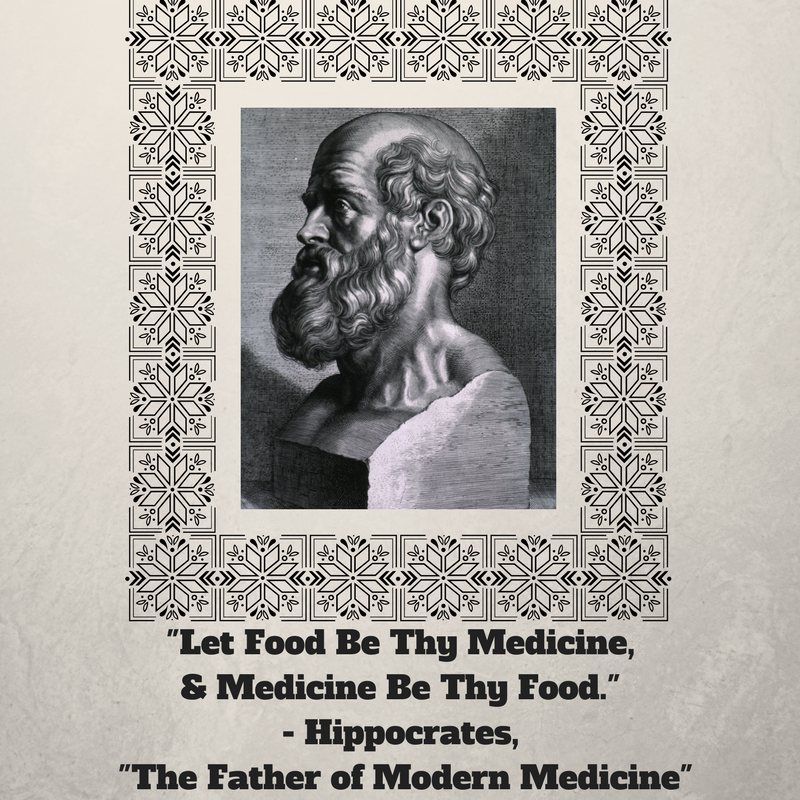
Intestinal Permeability
Often called “the disease your doctor cannot diagnose,” intestinal permeability or Leaky Gut Syndrome, or intestinal permeability, is a condition in which undigested food particles cross into the bloodstream undigested, resulting in inflammation and impaired nutrient absorption.
Normally, food is partially digested in the stomach before moving on to the small intestine. Nutrients are then absorbed into the blood through the gut lining and transported throughout the brain and body so that they can fuel, maintain, and repair our cells.
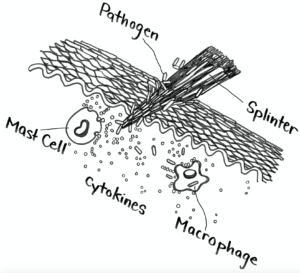 With Leaky Gut, whole food particles pass through the intestinal wall and into the blood before being completely broken down or digested.64, 65 As a result, the blood does not recognize these undigested food particles and an immune response occurs just as it would if there were a splinter or any other foreign object in the bloodstream. This immune response causes inflammation, sending signaling molecules called cytokines to the area.
Leaky gut, or intestinal permeability, is an all too common epidemic that slowly eats away at our health, our energy, our immune system, our stress levels, and our brains until we feel seriously impaired. In fact leaky gut is beginning to be recognized as the primary insult and driver of obesity, type 2 diabetes, heart disease, inflammatory bowel disease, cognitive decline, immune dysfunctions and even conditions like Parkinson’s disease.
Why Neurological Conditions?
The same glue that seals our gut is also used to seal our blood-brain-barrier, which is what keeps toxins and other cellular debris out of our brain. As our gut becomes leaky to undigested food particles, so does our brain to waste and other compounds that don’t belong there. Additionally, a 1995 study from the Journal of Neuroimmunomodulation titled “Passage of Cytokines across the Blood-Brain Barrier” found that these inflammatory cytokines are very small and can cross even a healthy blood-brain barrier. The study concluded that: “evidence shows that passage of cytokines across the BBB [blood-brain barrier] occurs, providing a route by which blood-borne cytokines could potentially affect brain function.” This suggests that:
Even in healthy individuals, inflammation anywhere in the body could trigger inflammation in the brain.
A substantial list of triggers may lead to a problem with digestion known as leaky gut (or intestinal permeability), including brain injury and other neurological conditions. Several studies show how important the brain-gut connection is and how neurological issues can lead to digestive problems and vice versa. Improper digestion can lead to neurological disorders as well.49, 50, 51 This means that leaky gut contributes to brain problems and brain problems contribute to leaky gut… It’s a vicious cycle that gets worse and worse if not properly addressed.
Essentially, if you have ever sustained a brain injury or you have any neurological condition, then leaky gut is almost a certainty.52, 53 Additionally, if you experience any brain-based symptoms (such as brain fog, headaches, depression, anxiety, or ADHD), then there is a strong possibility that leaky gut is a factor.54 If you have low energy, skin problems, allergies, joint or muscle pain, experience any digestive symptoms (even as seemingly benign as passing gas or food intolerances), leaky gut is extremely likely.55, 56
It is also becoming clear that for any autoimmune condition to manifest into a diagnosable condition, leaky gut first needs to be present.57, 58, 59 This means that if you have been diagnosed with Hashimoto’s, rheumatoid arthritis, lupus, celiac disease, multiple sclerosis, type 1 diabetes, or any other autoimmune condition, and you have not addressed intestinal permeability (leaky gut), it is very important that you do.
According to clinical studies, there are at least 17 different triggers for intestinal permeability, but the three biggest triggers are casein from milk, gluten from wheat and other grains, and refined sugars and carbohydrates.
Drop the White Poisons like Refined Flour and Sugar
Refined carbohydrates could be flours, sugar, or even fruit juices to excess. Anytime we remove a carbohydrate or sugar from its cellular structure, we run the risk of some harmful microorganism eating it first and causing intestinal permeability.
Once we remove some of our main triggers, then we can start to use certain nutrients like collagen from bone broth to rebuild our intestinal lining. Click these links for Our Full Article on the Benefits of Bone Broth.
While the collagen and elastin are important for rebuilding the intestinal lining, cadherins that are activated by calcium and magnesium ions are important in sealing the junctions between cells in the intestinal tract. These minerals, the aforementioned proteins like collagen, and fiber will turn out to be very important to healing the gut.
Ingredients for Optimal Digestion
The four main nutrients needed for optimal digestion are minerals, enzymes, prebiotics, and probiotics. Minerals activate enzymes which accelerate the chemical reactions of metabolism. Enzymes are there to break down food into less complex parts for better assimilation.
PREBIOTICS
Prebiotics are food for your microbiome. The best prebiotics are found in raw fibrous fruits and veggies, especially raw, leafy, greens, and soluble and insoluble fiber found in produce. When we cook our veggies, they still have many beneficial compounds in them, but most of the fibrous prebiotics are denatured and they do not feed our gut bacteria as effectively. If your digestion can tolerate it, be sure to ingest at least a fist-size of the three types of produce: dark leafy greens, sulfur-rich, and deeply pigmented.

PROBIOTICS and ENZYMES
Probiotics are most often found in fermented food like raw sauerkraut, kimchi, and other lacto-fermented products (like live pickles). probiotic foods also have digestive enzymes Probiotics can also be found in yogurt, but if your goal is to heal intestinal permeability, because milk contains lactose and casein (both of which may contribute to leaky gut), yogurt may be counterproductive.
Read our Full Article on The Microbiome and Probiotics here.
Kombucha is also full of probiotics, but excess sugar is a concern and may also be counterproductive to healing leaky gut syndrome.
To get some awesome probiotics from food while avoiding the excess sugar, we love all of the fermented products produced by Farmhouse Culture! Farmhouse Culture creates excellent lacto-fermented vegetables and drinkable Gut Shots. And lacto-fermented foods not only contain powerful food-based probiotics, but they also contain digestive enzymes to help with your digestion. Their kimchi, sauerkraut, and other fermented products also contain prebiotics, so they are a complete package of goodness!
MINERALS
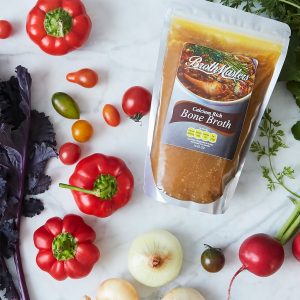 When it comes to minerals, bone broth is powerful stuff. Stock made the traditional way has been shown to be beneficial for many reasons, and one of these reasons is its mineral content. Minerals are like spark plugs for our metabolism and physiology. They are the catalysts to many biological functions, especially nervous system functions, neurotransmitter production, and muscle contraction. In addition to important minerals, homemade stock also contains collagen, gelatin, glycine, proline, and other nutrients that are important for joint, vision, heart, and brain health. In fact, collagen and gelatin are proteins that can help restore your joints, blood vessels, intestinal tract, your skin, and all connective tissue. This means that bone broth is a powerful elixir to help heal the gut. In addition to all of the benefits already listed, bone broth also contains sulfur compounds like glucosamine sulfate, and chondroitin sulfate. These sulfur compounds have been found to help rebuild joints and reduce pain in them. In healthy people, these sulfur compounds keep joints pliant and flexible so issues with immobility can be prevented before it ever occurs. My favorite broth is made by a company called BrothMasters (use coupon code FEEDABRAIN to save $15).
An RX for Healing Digestion
For some, healing digestion can be done by removing the triggers of intestinal permeability, adding in nutrients that heal the gut lining like bone broth, or powdered products (not my preference) lik L-Glutamine, GI Revive Powder, eating or drinking low-carb lacto-fermented foods and then eating raw veggies (especially raw greens) to support beneficial gut bacteria and facilitating proper digestion.
As many of you know, I am a stickler for double-blind placebo-controlled studies and I like to remain a healthy skeptic when it comes to studies paid for by the company who produces a product. In this case, I gotta say that these studies were very impressive in their metrics and effects.
A Magic Bullet?
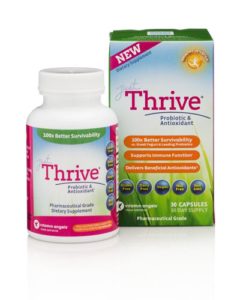
One way that we can measure leaky gut is by checking for elevated serum LPS (endotoxin) levels after a meal, along with elevated triglycerides, poor insulin response, and elevated inflammatory cytokines. Elevations in these markers are also shown to be hallmarks of nearly all chronic disease which draws a very suspect correlation that suggests that leaky gut is either a result of, or a contributing factor to almost all chronic disease. For this reason, a study on Metabolic Endotoxemia (clinical leaky gut) was commissioned by Microbiome Labs (formulator of Just Thrive Probiotic) at the University of North Texas.
The study screened nearly 100 healthy college students for Metabolic Endotoxemia (Leaky Gut) by testing bio markers before and after giving a high-caloric meal (fast food). The blood biomarkers that were being screened for were those that are a hallmark of an endotoxic response (LPS, triglycerides, insulin response, and inflammatory cytokines). They discovered that nearly 50% of the young, healthy, normal weight, symptom-free individuals had a toxic response to simply eating food! This is the same toxic response that is is either a result of, or a contributing factor to metabolic syndrome, obesity, diabetes, autoimmunity, cancers and heart disease.
Those who showed at least a 5-fold endotoxic response (leaky gut), from were randomized to receive either placebo (rice flour) or the commercial spore-based bacillus strains used in Just Thrive Probiotic. No other interventions, diet modifications or lifestyle changes were implemented. The only change was taking these bacillus strains or a placebo.
After 30 days, they were all given the same challenge meal (fast food) and then their blood biomarkers were measured again. The response got worse by about 32% in the placebo group while the active spore based probiotic groups biomarkers had significantly reduced the endotoxic response to the same challenge meal, along with significant reductions in triglycerides, and inflammatory cytokines.
With no other interventions, a 30 day course of these strains effectively fixed their gut lining, favorably altered the immunological response to food, and significantly decreased inflammation in the gut.
This is the first time that a probiotic has been shown to significantly reduce leaky gut and all the associated immune activation, in human subjects.
FYI: No one from the FDA came over and evaluated these statements. Why would they? I’m not diagnosing, treating, preventing, or curing anything. This is educational content to help you understand digestion so you can make your own informed choices. Stay empowered, y’all.
CITATIONS:
-
64 Arrieta MC, et al. “Alterations in Intestinal Permeability”1512-520.
65 Fasano, Alessio and Terez Shea-Donohue. “Mechanisms of Disease: the role of intestinal barrier function in the pathogenesis of gastrointestinal autoimmune diseases” 416-22.
49 Bansal, Vishal et al. “Traumatic brain injury and intestinal dysfunction: uncovering the neuro-enteric axis,” Journal of Neurotrauma 26.8 (2009): 1353-359.
50 Forsyth, Christopher B et al. “Increased intestinal permeability correlates with sigmoid mucosa alpha-synuclein staining and endotoxin exposure markers in early Parkinson’s disease,” PLOS ONE 6.12 (2011): e28032.
51 Mass, Michael, Marta Kubera, and Jean-Claude Leunis. “The gut-brain barrier in major depression: intestinal mucosal dysfunction with an increased translocation of LPS from gram negative enterobacteria (leaky gut) plays a role in the inflammatory pathophysiology of depression,”Neuroendocrinology Letters 29.1 (2008): 117-24.
52 Bansal, Vishal et al. “Traumatic brain injury and intestinal dysfunction: uncovering the neuro-enteric axis” 1353-359.
53 Forsyth, Christopher B et al. “Increased intestinal permeability correlates with sigmoid mucosa alpha-synuclein staining and endotoxin exposure markers in early Parkinson’s disease.” PLOS ONE 6.12 (2011): e28032.
54 Petra, Anastasia, et al. “Gut-Microbiota-Brain Axis and its Effect on Neuropsychiatric Disorders with Suspected Immune Dysregulation,” Clinical Therapeutics 37 (2015): 984-995
55 Dunlop, Simon, et al. “Abnormal Intestinal Permeability in Subgroups of Diarrhea-Predominant Irritable Bowel Syndromes,”The American Journal of Gastroenterology 101 (2006):1288-294.
56 Jackson, P.G, et al. “Intestinal Permeability In Patients With Eczema And Food Allergy,” The Lancet (1981): 1285-286.
57 Jenkins, R., et al. “Increased Intestinal Permeability In Patients With Rheumatoid Arthritis: A Side-Effect Of Oral Nonsteroidal Anti-Inflammatory Drug Therapy?,” Rheumatology (1987): 103-07.
58 Visser, Jeroen, et al. “Tight Junctions, Intestinal Permeability, and Autoimmunity,” Annals of the New York Academy of Sciences (2009): 195-205
-
75 Banks, WA, AJ Kastin, and RD Broadwell. “Passage of cytokines across the blood-brain barrier,”Neuroimmunomodulation 2.4 (1995): 241-48.

You may also like

Ayurvedic Kitchari (Rice and Lentils Stew)

Organ Meat: The Unsung Superfood